

Wellness
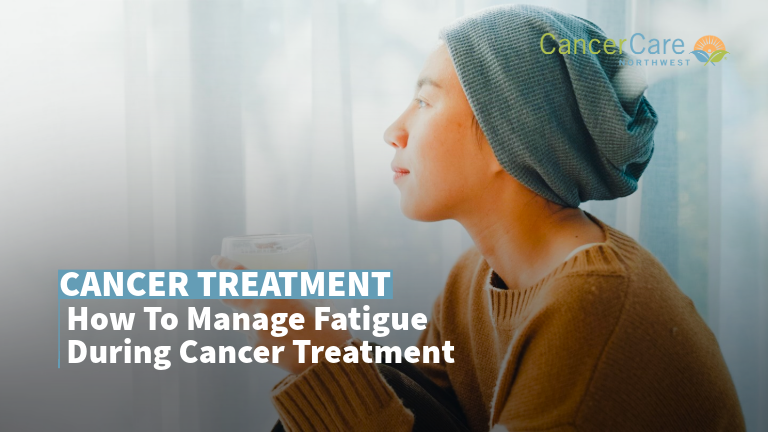
How To Manage Fatigue During Cancer Treatment
Fatigue is a common side effect of many cancer treatments, including chemotherapy, immunotherapy, radiation therapy, and surgery. It can also be caused by the cancer itself. If you’re experiencing cancer-related fatigue, you may feel tired, weak, heavy, run-down, or like you have no energy.
Cancer-related fatigue can feel overwhelming, even after resting. It’s not just the kind of tiredness that comes from being active—it’s a more persistent feeling of low energy that doesn’t always improve with downtime. This can make fatigue a difficult side effect to cope with but understanding what causes it and how to manage it can help.
What Causes Cancer-Related Fatigue?
Some of the most common causes of cancer-related fatigue include:
- Pain
- Anemia (low red blood cell count)
- Cancer treatments (chemo, radiation therapy, surgery, hormone therapy)
- Medications, other than the primary cancer treatments
- Emotional distress (anxiety, depression)
- Nausea or vomiting
- Sleep problems
- Infections
- Poor nutrition
- Lack of exercise
- The cancer itself
What Are Symptoms of Fatigue?
Fatigue can affect cancer patients in different ways, but there are common signs that may indicate you’re experiencing it. The most common symptom is weariness, but other signs of cancer-related fatigue to look for are:
- Sleeping more often than normal
- Inability, difficulty, or lack of desire to do normal daily activities
- Trouble thinking, concentrating, or making decisions
- Shortness of breath after light activity
- Difficulty finding words or speaking
- Feeling more emotional than usual, especially feelings of sadness and depression
- Paleness
What Can I Do to Manage Cancer-Related Fatigue?
Your Cancer Care Northwest care team will address physical issues that could lead to fatigue, such as anemia or uncontrolled side effects of treatment. Additionally, there are some things you can do to help with your fatigue levels.
Exercise
Exercise is the number one way to manage fatigue. The American Society of Clinical Oncology recommends regular aerobic and resistance exercises, depending on your existing physical activity level and overall health.
At Cancer Care Northwest, treating and helping heal the entire person is a fundamental principle, and we believe yoga can be complimentary in that process. Cancer Care Northwest is the only cancer facility in the area offering this type of support.
To learn more and to determine which exercise is right for you, please speak with your CCNW physician.
Eat Well
Eating the right foods can give you energy and help your body heal.
- Stay well hydrated with water or other fluids, such as tea or milk. Limit your intake of caffeine and alcohol.
- Eat foods high in protein and calories to help keep up your strength.
- Focus on eating small, frequent meals, rather than three large meals.
- Cook a large batch of food and freeze it in single-serving containers so you have easy meals on days you’re too fatigued to prepare lunch or dinner.
- Consider a meal delivery service or a meal kit.
- Ask your provider if you have any questions or concerns about your diet.
For personalized nutritional guidance, Cancer Care Northwest has partnered with Nourish, a telehealth-based nutrition program, to offer comprehensive nutritional support to patients in their fight against cancer.
Prioritize Activities
Don’t feel as though you must keep up with all of your normal activities. Instead, pick what is most important to you and focus on those areas. Conserve your energy by doing things slowly and spreading activities throughout the day. Accept help from others if they offer and try to ask for help when you need it.
Manage Your Mental Health
Managing your mental health is an important part of your cancer care. If you are experiencing symptoms of stress, anxiety, or depression, please speak to your care team so they can assist you and connect you with additional resources as needed, including local cancer support groups, and individual and family counseling.
Your Care Team at CCNW Is Here to Help
At Cancer Care Northwest, we’re proud to provide care from a compassionate team of experts, as well as the resources you need to navigate your treatment. If you have any questions about fatigue, please contact your Cancer Care Northwest provider. We are here to help.