

Breast Cancer
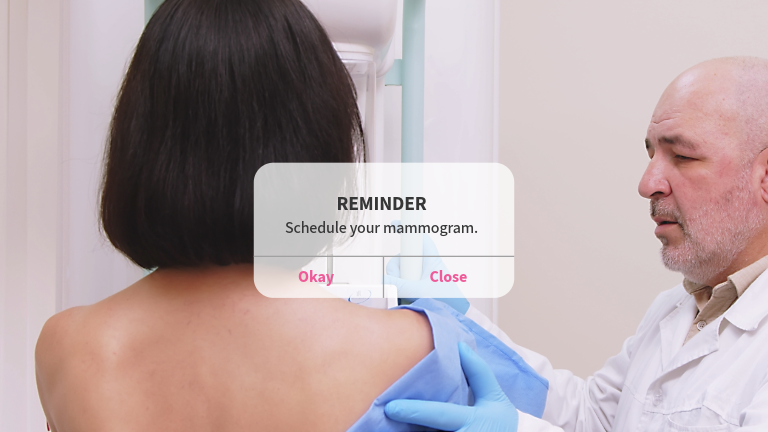
Breast Cancer Screening: Mammography Guidelines and What to Know
Breast cancer screening is one of the most important tools for detecting breast cancer early, often before symptoms develop. Early detection can lead to more effective treatment options and improved outcomes.
For patients in Spokane and the Inland Northwest, understanding when to begin mammography screening and how often to be screened is an important part of preventive health care.
Mammography remains the primary screening tool for breast cancer in individuals at average risk. Screening helps detect breast cancer at earlier stages, when it may be easier to treat.
What Is a Mammogram?
A mammogram is a low-dose X-ray of the breast used to detect early signs of breast cancer before symptoms appear.
Mammograms can identify:
- Small tumors that cannot be felt
- Microcalcifications that may indicate early cancer
- Changes in breast tissue that require follow-up evaluation
Mammograms are currently the best available screening test for breast cancer detection in average-risk individuals.
Mammography Screening Guidelines
For individuals at average risk, current guidelines referenced by the American Cancer Society include:
- Women between 40 and 44 have the option to start screening with a mammogram every year.
- Women 45 to 54 should get mammograms every year.
- Women 55 and older can switch to a mammogram every other year, or they can choose to continue yearly mammograms. Screening should continue as long as a woman is in good health and is expected to live at least 10 more years.
Because every patient’s risk is unique, recommendations may vary based on family history, genetics, and personal medical history.
Who May Need Earlier or More Frequent Breast Cancer Screening?
Some individuals may require a more personalized screening plan if they have:
- Have a lifetime risk of breast cancer of about 20% to 25% or greater, according to risk assessment tools that are based mainly on family history.
- Have a known BRCA1 or BRCA2 gene change, based on genetic testing.
- Have a first-degree relative (parent, brother, sister, or child) with a BRCA1 or BRCA2 gene change and have not had genetic testing themselves.
- Had radiation therapy to the chest before they were 30 years old.
- Have Li-Fraumeni syndrome, Cowden syndrome, Bannayan-Riley-Ruvalcaba syndrome, or another known hereditary cancer syndrome, or have a first-degree relative with one of these.
In these cases, earlier and/or more frequent imaging may be recommended by a specialist. This decision should be made with a woman's healthcare providers, considering her personal circumstances and preferences.
Benefits of Breast Cancer Screening
The primary goal of mammography screening is early detection of breast cancer.
When breast cancer is found early:
- Treatment options are often more effective
- Care may be less extensive
- Survival outcomes are generally improved
For patients in Spokane, access to timely screening and coordinated oncology care is an important part of improving long-term outcomes.
Breast Cancer Risk Assessment
Some patients may benefit from a more personalized risk assessment before determining a screening plan.
Risk evaluation may include:
- Family history review
- Genetic counseling and testing considerations
- Personal medical history evaluation
These assessments help determine whether standard or high-risk screening protocols are most appropriate.
Talk With a Breast Cancer Specialist
Breast cancer screening guidelines provide a general framework, but the right approach depends on your individual risk profile.
At Cancer Care Northwest, our team supports patients across Spokane and the Inland Northwest with:
- Oncology expertise and treatment planning
- Advanced breast surgery and therapy options
- Risk assessment and genetic evaluation coordination
- Compassionate, patient-centered cancer care
- Support from diagnosis through survivorship
Breast cancer screening is a vital step in early detection and improved outcomes. Mammography remains the most effective screening tool for average-risk individuals, but screening recommendations should always be personalized.
If you have questions about breast cancer risk, screening timing, or next steps after a diagnosis, our team is here to help guide you through every stage of care.